 Hi, I'm Heidi and I homeschool my two sweet kids. I want them to know that learning is an exciting lifelong adventure! We love great books, unit studies, notebooking, lapbooking, and hands-on learning.
Our Homeschool Journal: Lighthouses, Laundry, and Lists
In our homeschool this week…
We didn’t do a lot of formal schoolwork this week, which is okay because I didn’t plan a lot of schoolwork! We had a camping trip and then I knew I needed planning time. We spent three days camping, then three days catching up on laundry. (At least that’s what it feels like!) At home I spent time checking items off my list of things I had to finalize for our 2012-2013 school year. We did an hour of schoolwork here and there, accomplishing a lot of reading and even a little math, history and science. Of course, it seems that everywhere we go learning opportunities follow.
Places we’re going and people we’re seeing…
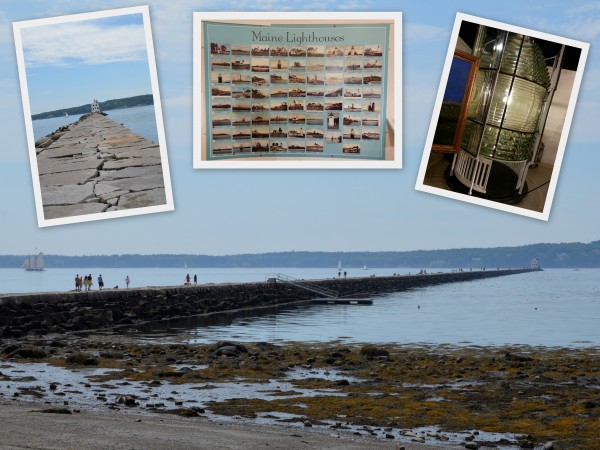
The area where we camped had another one of those great free summer-in-Maine activities! We walked the nearly mile-long trek out to Rockland Breakwater Lighthouse. Visiting lighthouses is a little hobby for us and we’ve taken our kids to quite a few. (Very Maine-ish, don’t you think?) I think it’s fun to pick something your area is known for and visit those places–like a tourist in your own state. My kids get even more excited to go to a lighthouse because it’s a quest to visit a new one we’ve not seen before. We also visited the Maine Lighthouse Museum (and bonus–it was free admission day!), a treasure trove of information–explanations, videos, and displays on the Fresnel lens and other aspects of a working light and foghorns, historical information on lighthouses and their use in navigation, and my favorite: the stories of the keeper’s lives and job requirements.
My favorite thing this week was…
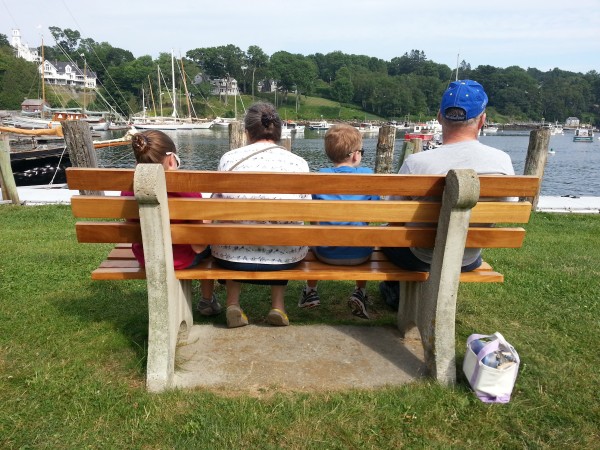
Camping is my favorite summer activity, and special time with Grandma and Grandpa for my kids made it extra special.
My favorite resource this week…
Last year we used a downloaded typing program with our 10-year-old with some success, but due to the operating system on the computer she’s using we needed another plan this year. I was happy to find a free web-based learn-to-type program: TypingWeb. In our early trials she and I are both quite happy. That’s one more thing checked off on my planning list!
What’s working and not working for us…
Taking the time to sit down and finalize my plans is working for me. It helps me feel relaxed to enjoy our last weeks of light summer learning and be ready to dive into our full-time schedule in September.
Questions I have…
My last thing to figure out is a morning meeting. I want to have a morning routine that doesn’t leave me feeling scripted and too school-ish like the calendar time I tried last year. I stopped that mid-year, but feel like we do need a little time together before starting individual work. I would like to find a devotional book to use with the three of us together…any suggestions?
Things I’m working on…
I’m working on the last pieces of planning. I’m at the point where I’m figuring out our daily and weekly schedules. I have an idea for a weekly schedule for my 10-year-old as we work toward more independence. We’re ironing out the details with our homeschool groups on some classes and groups for the new school year.
I’m grateful for…
All the amazing resources (often for free) at our fingertips as homeschoolers in the age of computers and internet!
A photo to share…
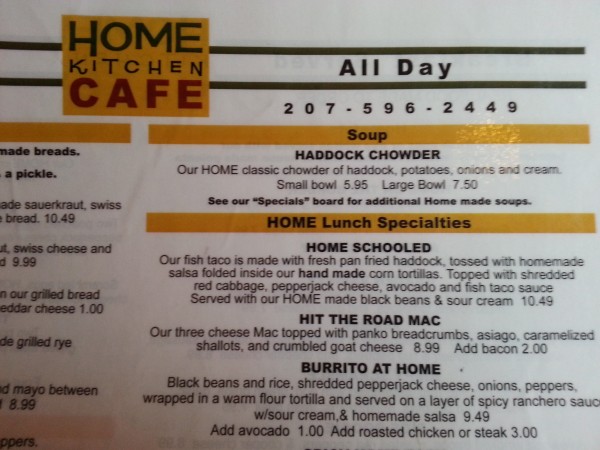
On our trip we ate at a quirky little restaurant with delicious food in Rockland. After seeing this menu item–check out the first one under lunch specialties–I just had to take a picture. I really wanted to say to the waitress: “Yes, I’ll take Home Schooled, please.”
Thank you to the wonderful hostesses with fun link-ups on Fridays. Be sure to join the fun and see what other homeschoolers are up to!


Last Child in the Woods ~ Changes for the Future
I’m here with more thoughts on the book Last Child in the Woods by Richard Louv, joining in Nicole’s book study. Be sure to visit her at Journey to Excellence for her thoughts on these chapters and the big changes her family is making.
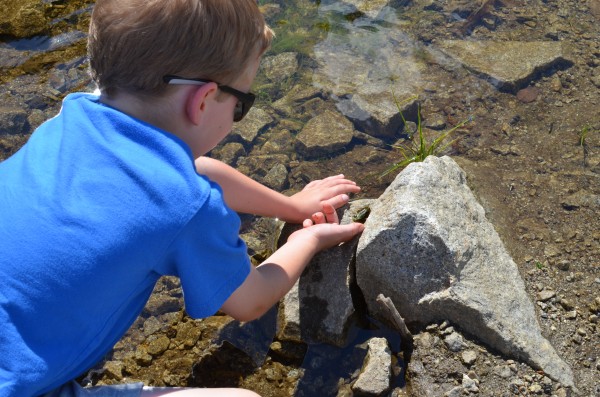
Chapters 18 through 20 in the book discuss ushering in the “fourth frontier” and reconnecting not just ourselves but our culture with nature. These chapters have very big, far-reaching goals that really involve a restructuring of how people live. The author’s point is that we can connect our kids with nature right now, but we need to make changes to our culture or the child-nature gap will continue to widen. I agree, but changes in population distribution sounds too orchestrated to me. I enjoy living in a rural area. If we were moving I would be interested in towns with a big connection to nature. But can you force those interests on the population as a whole?
I’ll admit this: he loses me a bit in these conversations. I tend to think small and change what I am in control of, versus getting involved in larger organizations. I pulled my kids out of school instead of working to change the school system. I was very excited to read the ideas for reconnecting myself and my children with nature that are within my immediate control–things I can implement on my own right now. But when the author talks of sweeping changes in the structure of towns and cities and businesses I feel more overwhelmed than able to help. Clearly there are movers and shakers who get involved in politics and organizations that make sweeping changes, and I’m grateful for them and benefit from the work that they do…but I’m not one of them.
In the discussions of cities he talks of making nature corridors, not just isolated parks that don’t look natural at all. The discussion of allowing movement and genetic diversity did hit home for us: we’ve been studying monarch butterflies and their amazing migration. They need milkweed plants as they migrate north from Mexico in the fall. If they don’t have milkweed plants to lay their eggs on in the southeast, we won’t have monarch butterflies in the summer in the northeast. My plan of action is growing my own milkweed patch, doing my small part. But I do hope the movers and shakers, like the Monarch Watch organization, are successful in protecting these amazing creatures.
Another small part I have been learning about for a while now as a gardener is using native plants that are less resource intensive. I live in a manicured neighborhood and am one of the very few that doesn’t spray my lawn with chemicals. It shows–my lawn is probably 50% clover and dandelions and other “weeds” BUT I haven’t suffered from the grub damage (grubs eat grass roots, not weed roots) of my neighbors with perfect lawns. I also have one of the greenest lawns right now because my weeds are surviving the drought much better than the grass of my neighbors. The reason I don’t spray: my kids and dog can play on it anytime without fear of chemical exposure.
In short, these chapters had interesting ideas, but didn’t give me ideas for implementation in my daily life. There are just three chapters left in the book. Join us for the last installment in this book study later this week or early next week.
Hi, I'm Heidi and I homeschool my two sweet kids. I want them to know that learning is an exciting lifelong adventure! We love great books, unit studies, notebooking, lapbooking, and hands-on learning.